
Quality, Purity, and Transparency in Natural Ingredients
Not all ingredients are created equal. At Suplemen Indo, we believe that understanding the origin and processing of natural extracts is vital for anyone serious about their health. This page outlines the standards used to evaluate the purity and efficacy of vitamins and minerals, with transparency at every step.

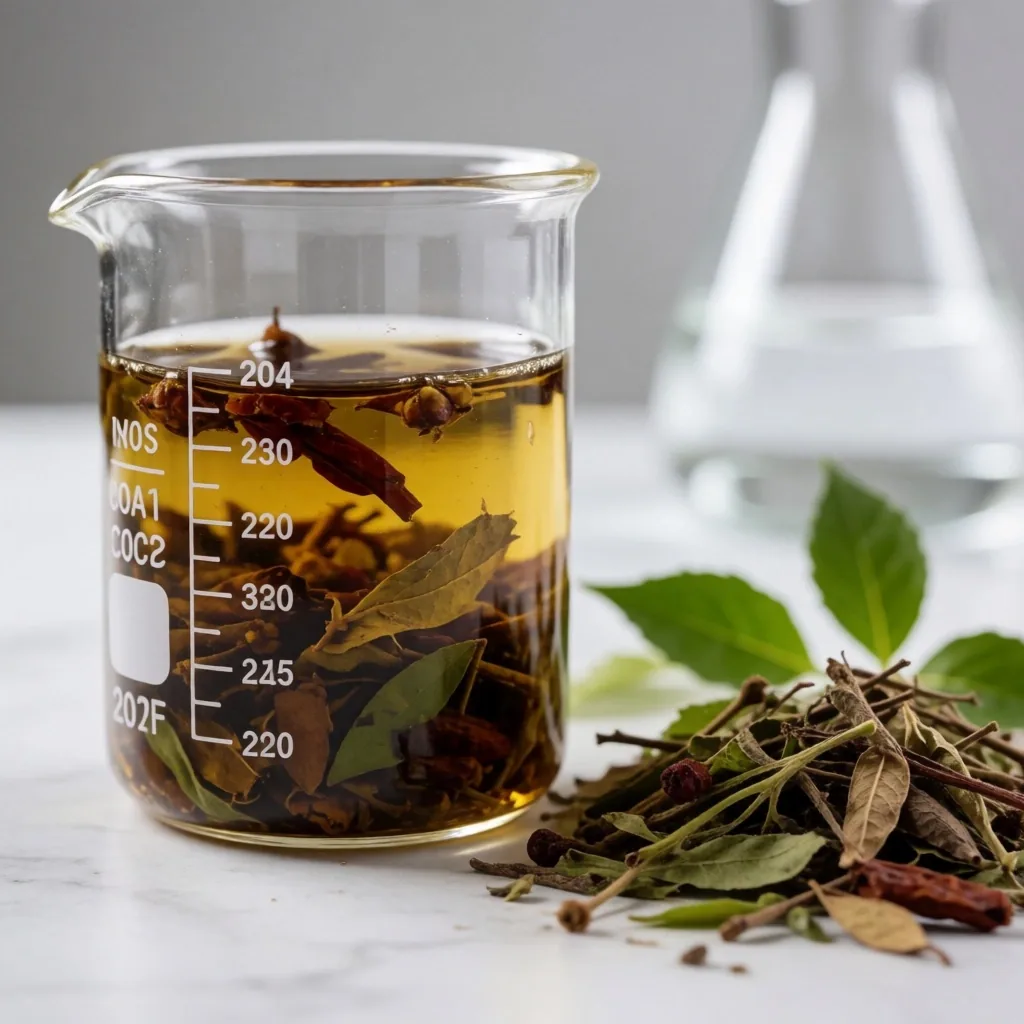
Botanical raw material · soil-to-extract traceability
Quality begins in the soil where raw materials are grown
The quality of a natural supplement begins in the soil where the raw materials are grown. Whether it is a botanical extract or a food-derived vitamin, the environmental conditions and farming practices significantly impact the final nutrient density.
We look for ingredients sourced from regions known for their soil quality and sustainable agricultural methods. This ensures that the plants are rich in the phytonutrients that make supplements effective. A ginger root grown in mineral-rich volcanic soil near Bandung carries a different compound profile than one grown in depleted, chemically fertilized earth — and that difference carries through to the final extract.
We prioritize transparency about where each ingredient comes from, because origin is the first and most fundamental indicator of quality.
How a plant becomes a concentrated supplement
How a plant is turned into a concentrated supplement matters. We advocate for clean extraction methods, such as CO2 extraction or water-based processes, which avoid the use of harsh chemical solvents.
These methods preserve the delicate compounds within the plant, ensuring that the final product is as close to its natural state as possible. High-quality extraction results in a cleaner, more potent supplement that is easier for the body to process.
Clean extraction
- —CO2 and water-based processes
- —Preserves delicate plant compounds
- —No chemical solvent residue
- —Closer to the natural whole plant
Solvent-based extraction
- —Uses hexane, acetone, or ethanol
- —May degrade heat-sensitive nutrients
- —Risk of trace solvent residue
- —Cheaper but less clean profile
A nutrient is only useful if your body can absorb and use it
Bioavailability refers to the proportion of a nutrient that enters the circulation when introduced into the body. We focus on chelated minerals and "activated" vitamins, such as Methylcobalamin (B12) instead of Cyanocobalamin, because they are more readily recognized by human physiology.
Choosing high-bioavailability ingredients means you get better results with smaller, safer doses. Below: three forms that illustrate why the specific version of a nutrient matters.
Chelated minerals
Minerals bound to amino acids — such as magnesium bisglycinate or zinc picolinate — pass through intestinal walls more efficiently than oxide forms, which often pass through unused.
Example: Magnesium bisglycinate vs. magnesium oxide
Activated vitamins
Coenzymated forms like Methylcobalamin (B12) or Pyridoxal-5-Phosphate (B6) skip conversion steps in the liver, reaching active circulation faster than their synthetic cyanide-bound counterparts.
Example: Methylcobalamin vs. Cyanocobalamin
Whole-food complexes
Vitamins extracted from food sources carry cofactors and enzymes that isolated synthetics lack. These companion compounds can improve recognition and uptake at the cellular level.
Example: Food-derived vitamin C vs. ascorbic acid isolate
Natural products must be rigorously tested for safety
Natural products must be rigorously tested to ensure they are free from heavy metals, pesticides, and microbial contaminants. This is especially important for ingredients like fish oil or root extracts, which can accumulate environmental toxins.
We support standards that include third-party laboratory testing to verify that every batch meets strict safety requirements. This commitment to purity protects your long-term health and ensures the integrity of the supplement.
What rigorous testing should verify
- + Heavy metals — lead, arsenic, cadmium, and mercury levels below established safety thresholds
- + Pesticide residue — screening for organophosphates and synthetic agricultural chemicals
- + Microbial contamination — yeast, mold, and harmful bacteria counts within safe limits
- + Identity confirmation — verifying the raw material matches the declared species and plant part
- + Batch-to-batch consistency — active compound concentration within declared ranges
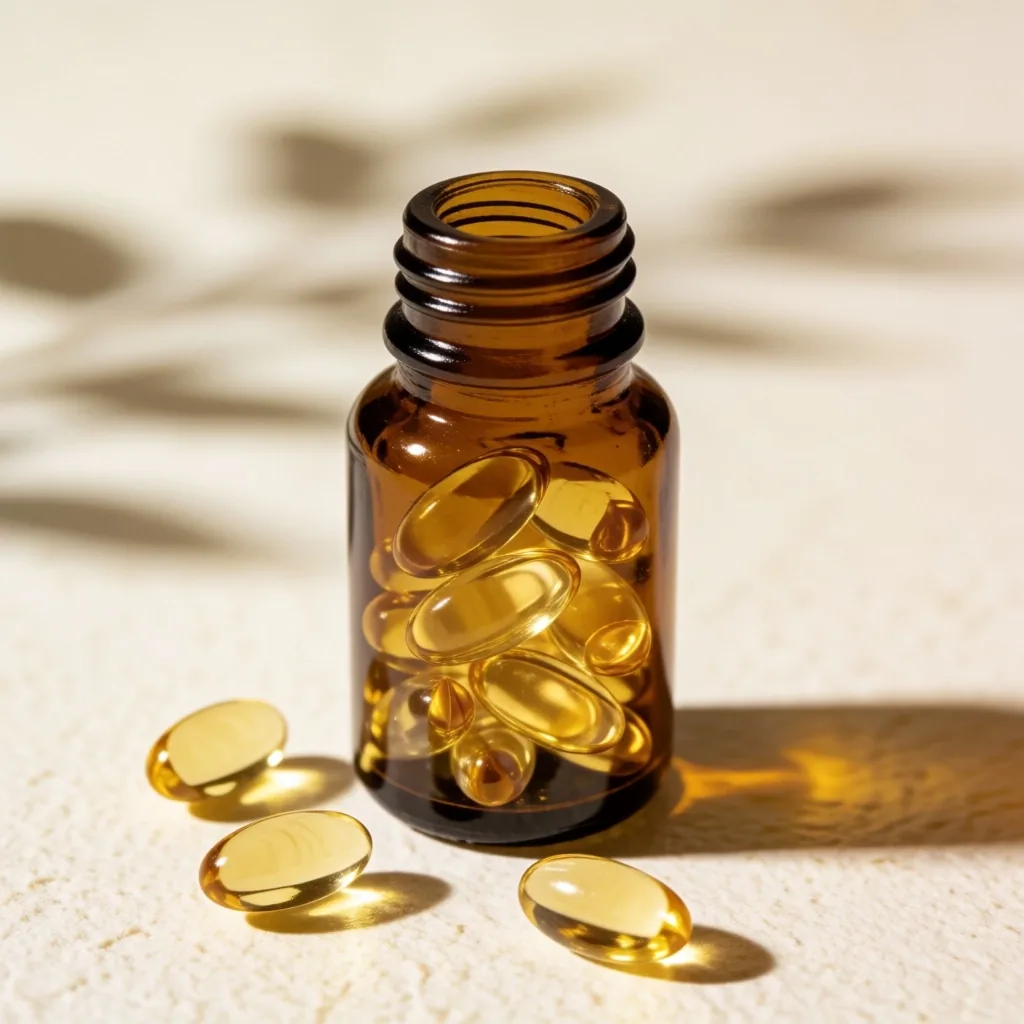
Marine oils require the most thorough contaminant screening
A clean label is the hallmark of a premium supplement
Many mass-produced supplements contain binders, artificial colors, and synthetic fillers like magnesium stearate or silicon dioxide. While these make manufacturing cheaper, they add no nutritional value and may interfere with absorption.
We emphasize products that use minimal, natural excipients, such as organic rice flour or vegetable cellulose. A "clean label" is a hallmark of a premium natural supplement designed for the health-conscious man.
What to avoid
- ×Magnesium stearate
- ×Silicon dioxide
- ×Artificial colors (FD&C dyes)
- ×Titanium dioxide
- ×Synthetic capsule coatings
What to look for
- +Organic rice flour
- +Vegetable cellulose capsules
- +Natural pullulan (plant-based)
- +Arrowroot or tapioca starch
- +Minimal ingredient lists
The label should specify the concentration of active compounds
For herbal supplements, it is not enough to just list the plant name; the label should specify the concentration of the "active" compounds. A high-quality Turmeric supplement should be standardized to a specific percentage of Curcuminoids.
This ensures that you are receiving a consistent and effective dose in every serving. Standardization provides a level of predictability and safety that is essential for a structured wellness routine — you know what each capsule delivers, every time.
Botanical
Turmeric
Active compound
Curcuminoids
Why it matters
Consistent dosing
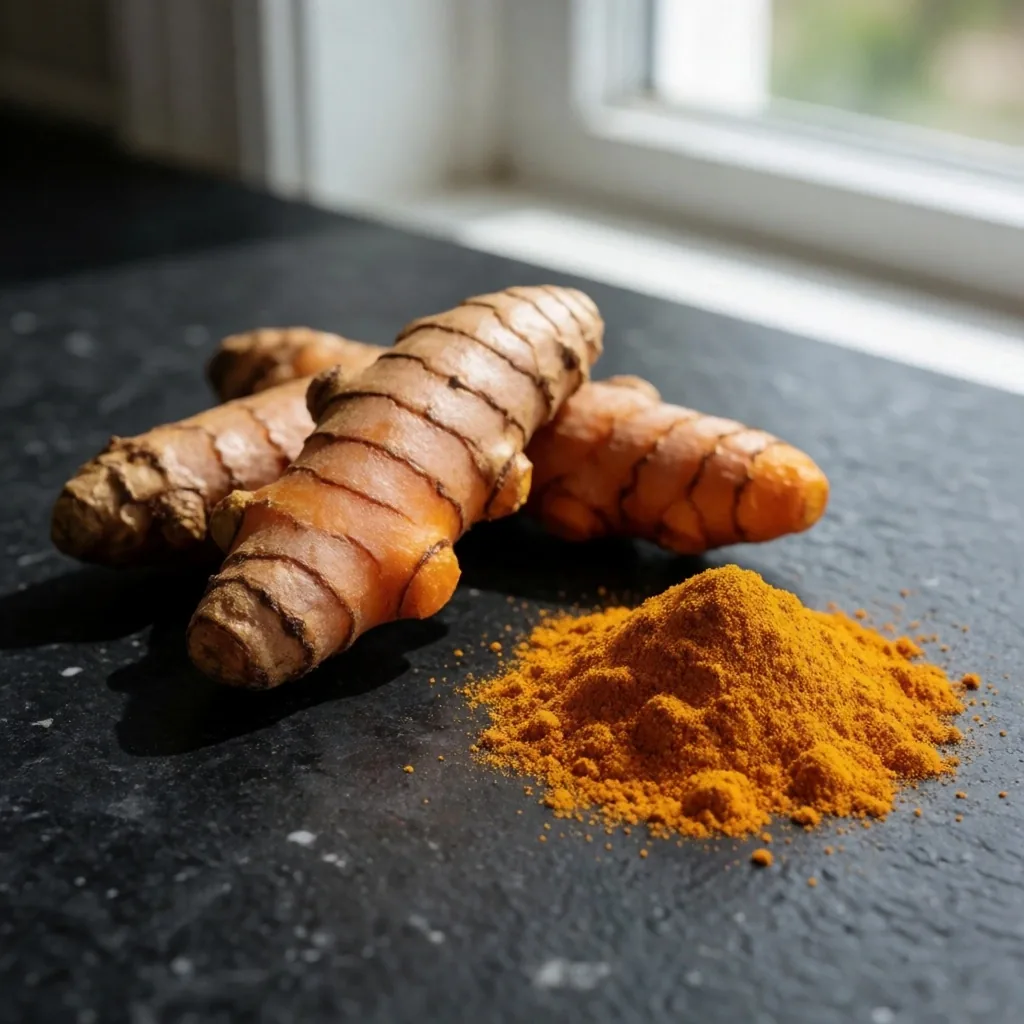
Turmeric standardized to a declared percentage of curcuminoids
From the factory to your home in Jakarta, stability is a quality standard
Natural ingredients can be sensitive to light, heat, and moisture, which can degrade their potency over time. Proper packaging, such as amber glass or opaque high-density containers, helps protect the nutrients from environmental factors.
We also look at the use of natural antioxidants like Vitamin E (tocopherols) to preserve the freshness of oils and powders. Maintaining the stability of the product from the factory to your home in Jakarta is a key part of our quality standard.
Light exposure
UV rays break down vitamins A, D, and K, plus fragile botanical oils. Amber glass and opaque HDPE bottles block the wavelengths that cause the most damage.
Heat and humidity
Jakarta's tropical climate means moisture can enter a container each time it opens. Desiccant packs and airtight seals prevent clumping and microbial growth in powders.
Oxidation
Fish oil and plant seed oils go rancid when exposed to oxygen. Natural tocopherols (Vitamin E) slow this process and keep oils fresh through their shelf life.

Beyond personal health, production should not harm the planet
Beyond personal health, the production of supplements should not harm the planet. We favor ingredients that are harvested ethically, ensuring that local ecosystems and communities are supported.
This includes fair-trade sourcing for tropical botanicals and sustainable fishing practices for marine oils. Choosing supplements produced with an ethical mindset aligns your personal wellness goals with a broader commitment to environmental responsibility.
Eight standards, one commitment to ingredient transparency
From soil origin to shelf stability, each standard on this page works together to ensure that what you put into your body is clean, effective, and honestly labeled. If you have questions about a specific ingredient or want to compare options, we are here to help.
Suplemen Indo
Address
Jl. Letjen S. Parman Kav. 28
Tanjung Duren, Jakarta Barat, 11470
Phone
+62 21 5690 9749Hours
Monday – Friday · 09:00–18:00 WIB
Suplemen Indo